
How Mobile Apps Are Becoming Personal Health Coaches?
Mobile technology is stepping in to bridge this gap, transforming smartphones into Personal Health Coaches that provide real-time guidance, personalized recommendations, and actionable insights. By leveraging data-driven approaches, these applications are redefining the way individuals manage their wellness routines.
Becoming Personal Health Coaches
Evolution of health apps
Neural interfaces enable direct communication between the brain and external devices by translating neural signals into digital commands, removing the need for touch, speech, or gestures. These systems make intention the primary interface, with non-invasive, wearable sensor–based solutions being the most practical and scalable option for current mobile platforms, while implant-based models are mainly used for medical and research purposes.
Personalized fitness guidance
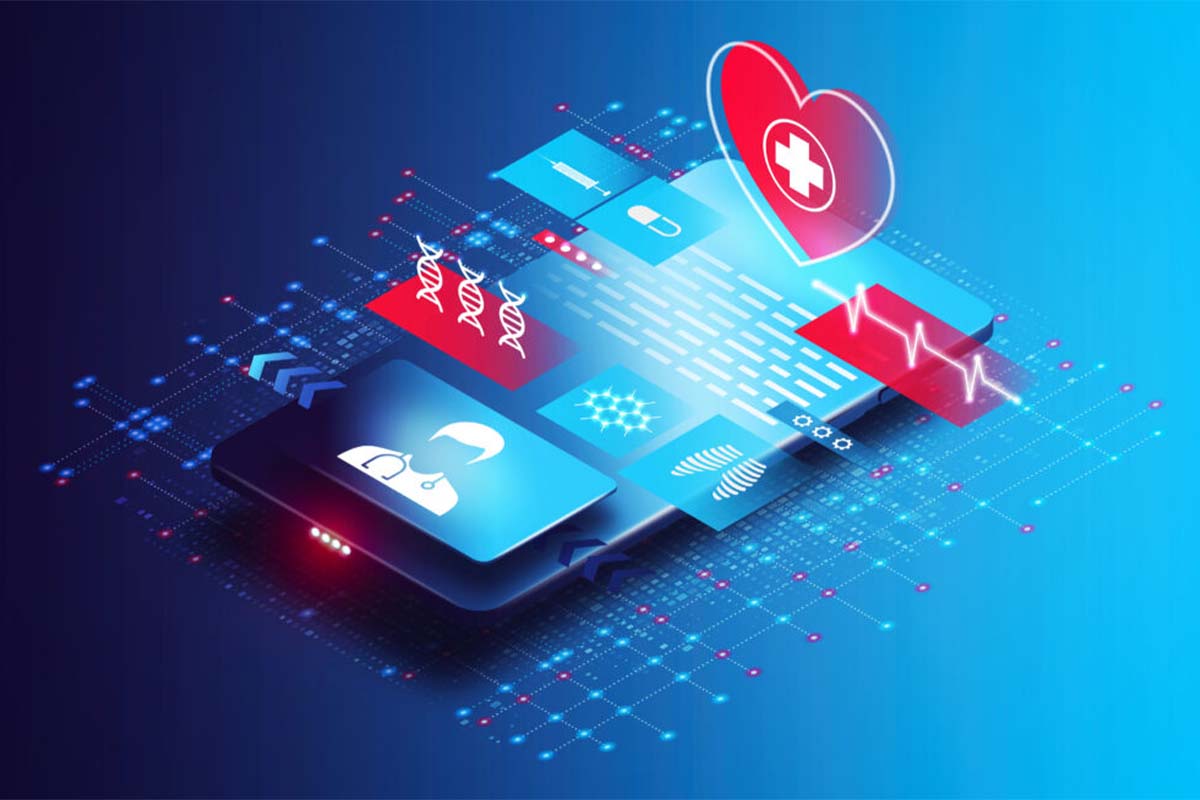
One of the most significant advantages of these apps is the ability to provide customized workout plans. By analyzing a user’s fitness level, goals, and daily activity, apps can recommend exercises that optimize results while minimizing the risk of injury. For example, a user recovering from an injury can receive a gentle routine designed to restore strength gradually, while an advanced athlete can follow high-intensity workouts for maximum performance.
Nutrition and wellness support
Nutrition plays a crucial role in overall health, and mobile apps are stepping in as intelligent dietary advisors. Users can track their meals, monitor macronutrient intake, and receive suggestions for healthier alternatives. Some apps even offer AI-driven meal planning based on dietary restrictions, preferences, and lifestyle goals. This level of personalization ensures that individuals receive guidance tailored to their unique health needs.
Mental health and mindfulness
Modern Personal Health Coaches apps are not limited to physical wellness. Mental health features, such as meditation sessions, stress management techniques, and sleep tracking, help users maintain emotional and psychological balance. The integration of mindfulness practices with physical health routines promotes holistic well-being, making these apps comprehensive companions in everyday life.
Integration with wearable devices
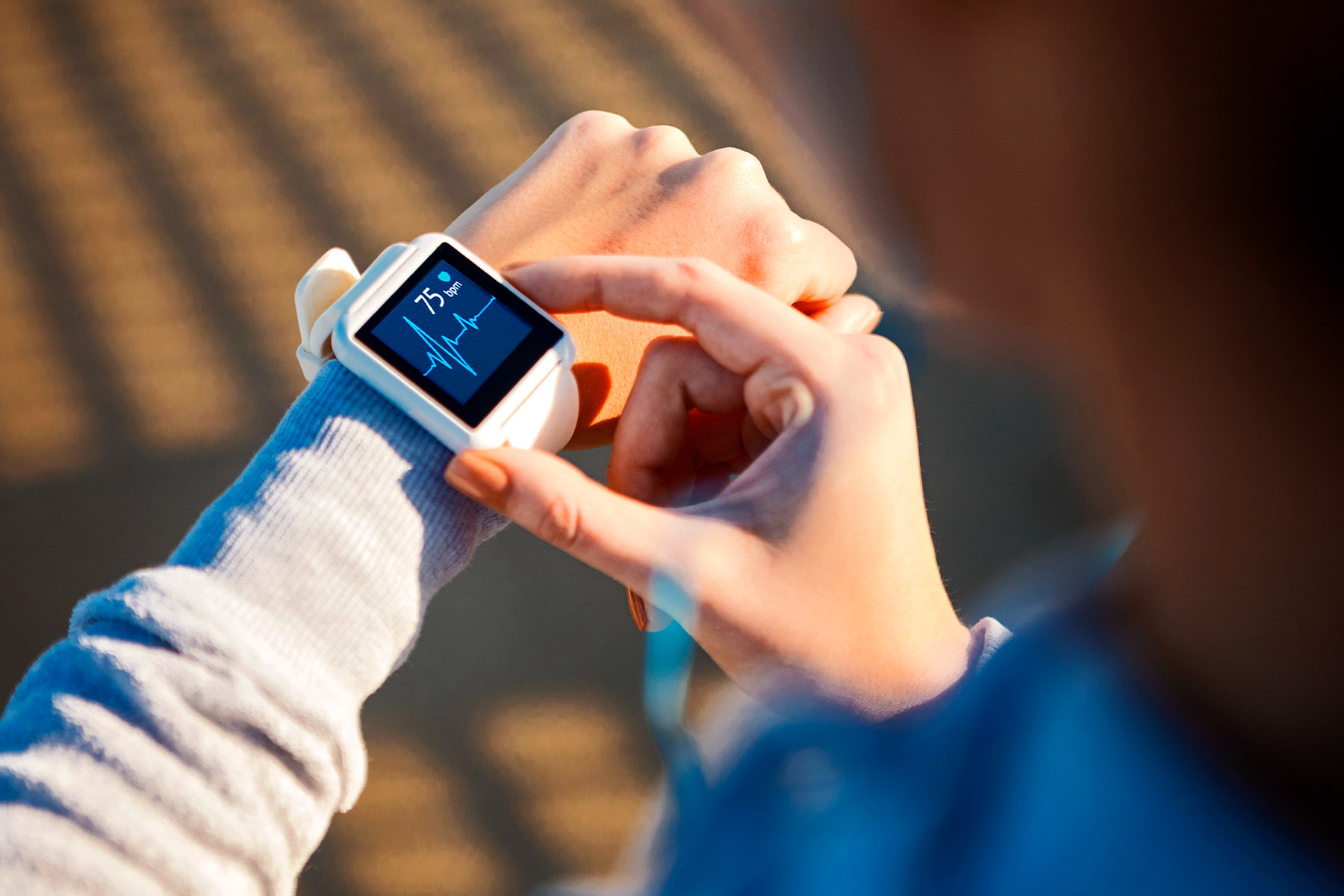
Wearable devices, such as smartwatches and fitness bands, have enhanced the capabilities of health apps. By continuously monitoring heart rate, sleep patterns, and physical activity, apps can provide timely insights and suggestions. For example, if a wearable detects irregular sleep patterns, the app may recommend adjustments to bedtime routines, dietary habits, or stress-reduction exercises.
How app developers are driving innovation?
The development of such sophisticated health apps requires skilled app developers near me who understand both technology and user behavior. Developers focus on creating intuitive interfaces, secure data handling, and AI-driven personalization. They work closely with health professionals to ensure recommendations are evidence-based and effective, bridging the gap between technology and wellness expertise.
Future
As AI, machine learning, and biometric sensors continue to advance, mobile apps are poised to become even more effective Personal Health Coaches. Predictive analytics may soon enable apps to anticipate health issues before they arise, provide proactive interventions, and foster long-term lifestyle changes. Users can expect an increasingly immersive and personalized experience, making health management simpler, safer, and more engaging than ever.
Conclusion
Mobile apps are no longer just digital companions; they are evolving into personalized wellness advisors that guide users in physical fitness, nutrition, and mental health. The collaboration between expert app developers and healthcare specialists ensures that these tools are both practical and scientifically grounded. For individuals seeking tailored health solutions, mobile apps offer a convenient, efficient, and motivating path to well-being.
