
The Future Of Mobile Health Apps In 2025
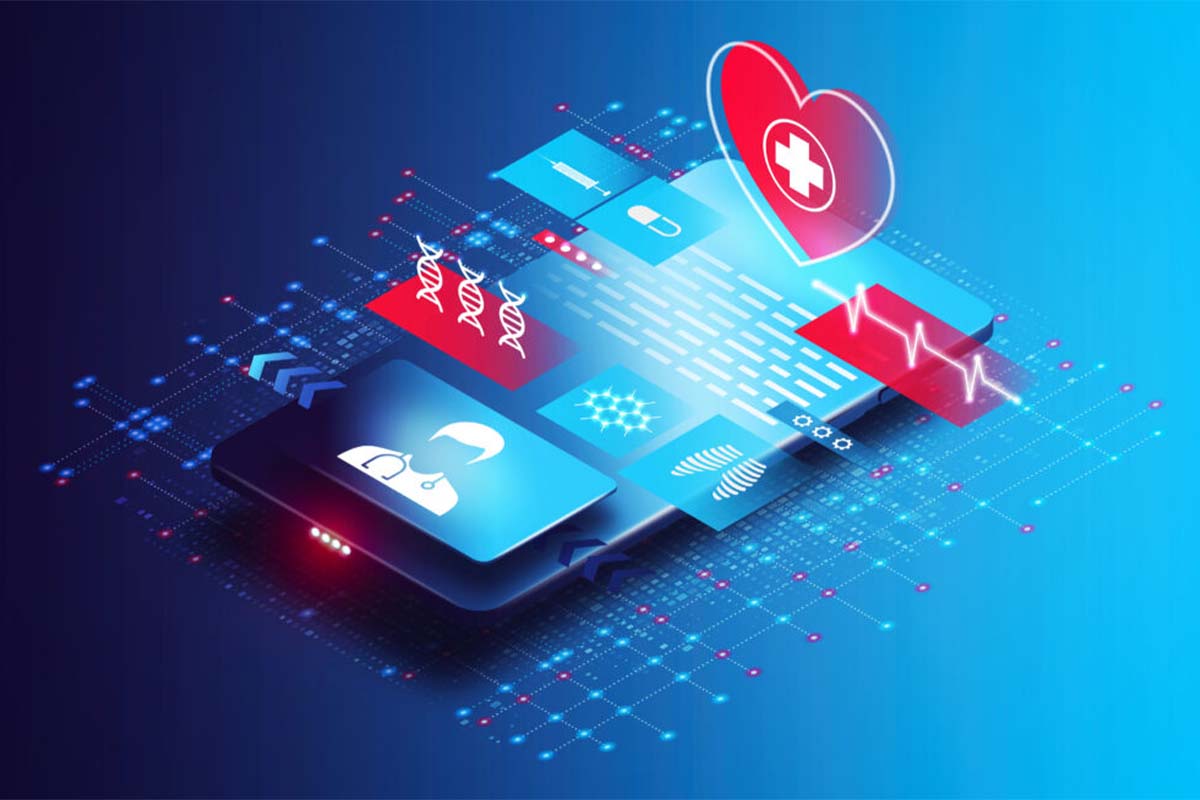
The healthcare industry is undergoing a massive transformation, and mobile health applications are playing a central role in shaping this evolution. With technology advancing at a rapid pace, the Future of Mobile Health Apps in 2025 is expected to bring more personalized, efficient, and accessible healthcare solutions to users worldwide. These innovations will not only improve patient outcomes but also redefine how people interact with medical services.
Future of mobile health apps
Personalized healthcare experiences
Mobile apps will use artificial intelligence and predictive analytics to tailor recommendations based on an individual’s medical history, lifestyle habits, and genetic data. This personalization will allow users to receive guidance that fits their unique health needs, making treatment and prevention more accurate than ever before.
Integration with wearable technology
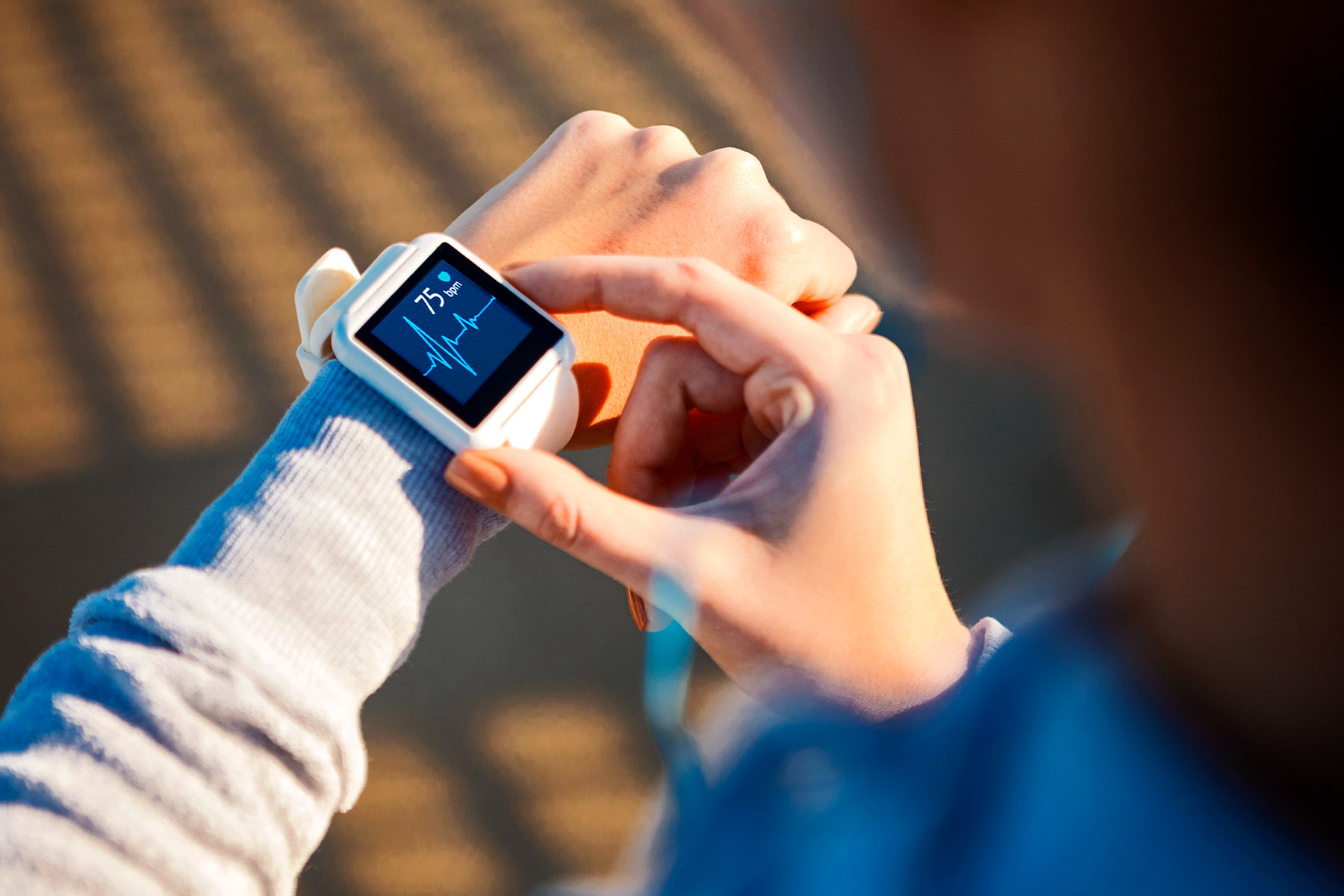
Mobile health apps will increasingly integrate with wearable devices to provide real-time monitoring of vital signs such as heart rate, blood pressure, and oxygen levels. By 2025, this data will be seamlessly analyzed and shared with healthcare providers, enabling early detection of potential health risks and timely interventions. The combination of mobile apps and wearables will empower users to take control of their health with instant insights.
Telehealth and virtual care expansion
Mobile apps will serve as powerful platforms for virtual consultations, remote diagnostics, and continuous care management. Enhanced video capabilities, secure communication features, and electronic prescriptions will make healthcare more convenient and accessible to patients regardless of location.

AI-Powered health assistance
Artificial intelligence will redefine mobile health applications by offering intelligent virtual assistants capable of answering medical queries, tracking progress, and even detecting anomalies in health data. In 2025, these AI-driven assistants will provide instant support to users, reducing dependence on physical visits and making healthcare guidance more readily available.
Preventive care and mental health support
Apps will not only track physical activity and nutrition but also focus on mental well-being. Stress management tools, meditation guides, and real-time emotional tracking will become more common, ensuring a holistic approach to health.
Enhanced data security and privacy
As health apps collect sensitive information, maintaining data security will be a top priority in 2025. Developers will adopt stronger encryption standards, blockchain integration, and strict compliance with global healthcare regulations to ensure patient privacy. This will help build trust and encourage more users to adopt mobile health solutions.

Conclusion
From personalized treatment plans and wearable integration to secure data handling and AI-driven predictions, these innovations will redefine how people manage their health. As digital transformation accelerates, mobile health apps will be the cornerstone of modern healthcare, bridging the gap between patients and providers while making wellness management more effective than ever before.
