
Why Digital Wellbeing Tools Matter In Modern Apps?
Modern mobile apps influence how people communicate, work, and relax every day. With rising screen time, users expect experiences that respect attention and emotional health. This shift has increased the importance of Digital Wellbeing Tools in modern applications. These features help users maintain balance while still benefiting from digital convenience. Thoughtful app experiences now focus on value rather than constant usage.
Digital Wellbeing Tools
Conscious usage
User behavior is changing as awareness around screen habits grows steadily. People want apps that support productivity without causing stress or fatigue. Digital Wellbeing Tools allow users to manage usage in healthier ways. When apps respect personal boundaries, they build stronger relationships with users. Conscious usage supports long term engagement instead of short bursts of attention.
Experience depth
User experience today goes beyond design aesthetics and technical performance. It includes emotional comfort, clarity, and ease of control. Digital Wellbeing Tools improve experience depth by reducing pressure to stay constantly active. Users appreciate apps that feel supportive rather than demanding. This approach increases trust and perceived quality across platforms.

Mental health
Mental health has become a critical consideration in digital product design. Apps can affect mood, sleep, and focus through repeated interactions. By adding Digital Wellbeing Tools, developers acknowledge this responsibility with care. These features promote awareness without interrupting normal usage. Supporting mental health creates positive emotional connections with users.

Responsible design
Responsible design balances business goals with user respect and transparency. Companies now recognize that ethical choices improve brand reputation. Many businesses searching for app developers near me prioritize responsible features in their products. When users feel respected, they remain loyal and engaged longer. Responsible design builds credibility in competitive app markets.

App goals
Modern app goals focus on sustainable growth rather than endless engagement. Wellbeing focused features support healthier usage patterns while maintaining value. Digital Wellbeing Tools help align user satisfaction with business performance. This balance reduces churn and improves long term success. Apps designed with purpose stand out in crowded marketplaces.
Development teams
Development teams shape how thoughtfully an app fits into daily life. Skilled professionals understand the impact of design decisions on behavior. Businesses often rely on app developers near me to implement wellbeing focused features correctly. Collaboration between designers and engineers ensures responsible functionality. Strong teams create apps users can trust.
Daily balance
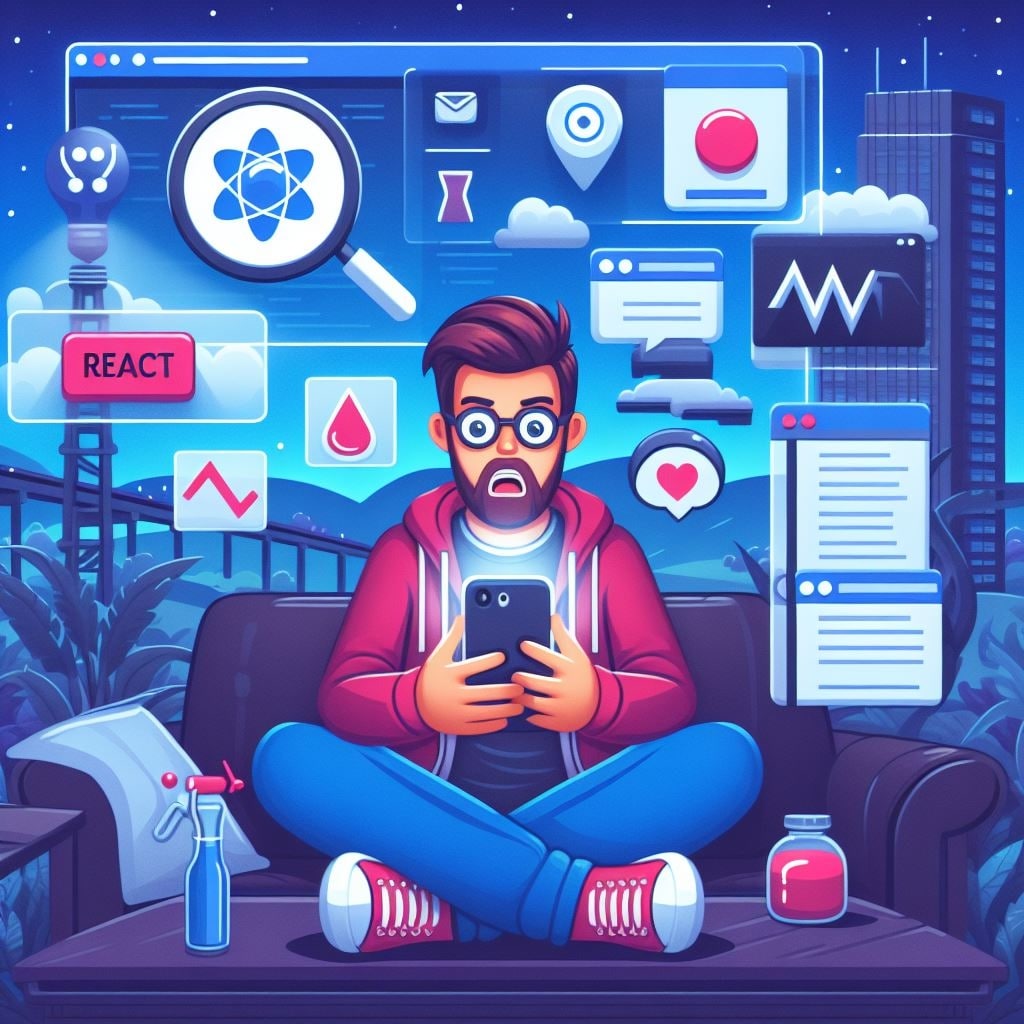
Daily app usage happens across different moods and situations. Users may open apps during work breaks, evenings, or moments of stress. Digital Wellbeing Tools support balance by adapting to these varied contexts. Custom controls allow users to manage limits comfortably. Balanced design reduces burnout and improves satisfaction. Apps that encourage mindful use feel less overwhelming. Personalization empowers users to define their own healthy routines. This flexibility increases acceptance of wellbeing features. Balanced experiences foster positive habits without forcing restrictions. Over time, users associate the app with support rather than pressure. This emotional comfort strengthens retention. Businesses benefit from stable engagement and positive reviews.
conclusion
Modern apps must combine innovation with responsibility and empathy. Users expect products that support healthier digital habits. Digital Wellbeing Tools have become essential for quality app experiences. They encourage balance, trust, and long term value creation. Partnering with app developers near me helps businesses build apps that respect users while achieving sustainable growth.
