
Why Smart Home Ecosystems Need Better Mobile Apps?
Smart homes are becoming part of everyday life, connecting lighting, security, entertainment, and climate systems through digital tools. While devices continue to improve, the mobile apps controlling them often lag behind user expectations. Poor design, limited features, and weak integration reduce the value of connected living. This gap explains why better mobile applications are essential for modern households and businesses working with smart home ecosystems.
Smart Home Ecosystems
Connected living
Smart homes depend on smooth digital connections. Users expect to control devices from one place without confusion or delays. When apps fail to deliver clear navigation or stable performance, daily routines become frustrating. Strong mobile solutions bring clarity by organizing controls, alerts, and settings in a single interface. This level of connection is critical for smart home ecosystems to feel reliable and easy to manage.
User experience
A simple and intuitive experience defines a successful mobile app. Many current platforms overload users with complex menus or unclear actions. Better design focuses on clean layouts, readable controls, and fast responses. When users enjoy interacting with their apps, they engage more often and explore advanced features. Improving usability strengthens trust in smart home ecosystems and increases long term adoption.

Device control
Reliable device control is the core function of any smart home app. Users want instant responses when adjusting lights, locks, or temperature. Delays or failures can raise safety concerns and reduce confidence. Advanced mobile apps ensure accurate commands and real time feedback. Companies such as app developers near me focus on building responsive systems that keep devices working smoothly at all times.
Data security
Security remains a major concern in connected homes. Mobile apps handle sensitive information, including usage patterns and personal preferences. Weak protection exposes users to privacy risks. Better applications use secure logins, encrypted data, and transparent permissions. By prioritizing safety, developers help smart home ecosystems gain credibility and protect users from potential threats.

Integration needs
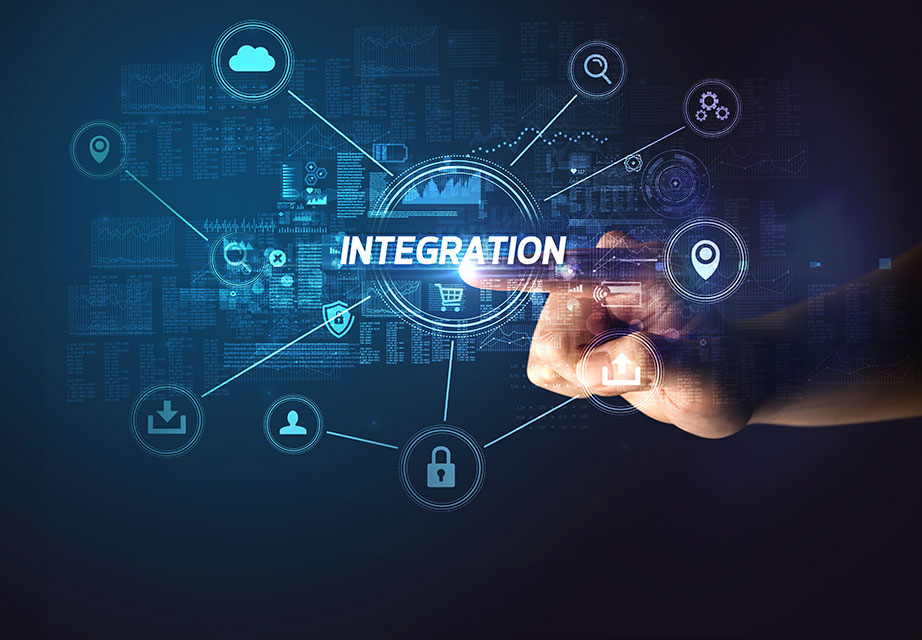
Many homes use devices from different brands, creating compatibility challenges. Without proper integration, users must switch between multiple apps, reducing convenience. High quality mobile solutions support wide device compatibility and unified dashboards. This approach allows smart home ecosystems to operate as one system rather than disconnected parts, improving efficiency and satisfaction.
Automation features
Automation turns connected devices into intelligent assistants. Scheduling, routines, and location based actions save time and energy. However, weak apps limit automation options or make setup difficult. Better mobile platforms simplify automation with guided steps and flexible controls. These improvements help smart home ecosystems deliver real value instead of basic remote control functions.
Support systems
Ongoing support is essential for long term success. Mobile apps must adapt to new devices, updates, and user feedback. Regular improvements prevent performance issues and extend product life. Trusted teams like app developers near me understand the importance of maintenance and scalability. Their work ensures smart home ecosystems continue to evolve with user needs and market trends.
Business impact
For businesses, better mobile apps create competitive advantages. A strong app increases customer loyalty, reduces support requests, and improves brand perception. Companies investing in high quality mobile experiences position themselves as reliable technology partners. This strategy benefits both users and service providers within home ecosystems.
Future growth
The future of connected living depends on smarter software. Voice control, energy monitoring, and personalized insights will become standard expectations. Mobile apps must be ready to support these changes without complexity. With thoughtful design and continuous improvement, smart home ecosystems can expand confidently and reach wider audiences through dependable mobile platforms.

Conclusion
Smart devices alone cannot deliver a complete connected living experience. The quality of the mobile app determines how useful and enjoyable smart homes become. Better apps improve control, security, automation, and integration while supporting future innovation. By investing in thoughtful mobile development, businesses and professionals like app developers near me help smart home ecosystems reach their full potential and meet growing user expectations.
